ENERGY CONSORTIUM
Accelerating Net Zero
CARBONLITE CHRONICLES:
QUARTERLY UPDATE FROM THE ENERGY CONSORTIUM
APRIL 2026
THE ROAD AHEAD
A Message From The CEO
Dear Energy Enthusiasts,
India’s Nationally Determined Contribution (2031-2035) to be communicated to the United Nations Framework Convention on Climate Change have been just approved by the Union Cabinet. India commits to 1) reduce Emissions Intensity of its GDP by 47 percent by 2035 from 2005 level, 2) achieve 60 percent cumulative electric power installed capacity from non-fossil fuel-based energy resources by 2035, and 3) create Carbon Sink of 3.5 to 4.0 billion tonnes of CO₂ eq. through Forest and Tree Cover by 2035 from 2005 level.
This has been a rewarding quarter at the energy consortium with a number of on campus activities and new partnerships formalized that will drive a renewed focus on renewable energy integration into grids and the associated challenges as well as corresponding viable technology solutions that it entails. This newsletter chronicles all our prominent new engagements. Looking forward to launching a number of projects as well in the coming quarter, where a significant emphasis is expected around electrification and grid level technologies.
Also highly excited for the upcoming opportunities for large scale government funding. The Anusandhan National Research Foundation’s translational research and innovation initiative (ATRI) which opened the first, of what should be many such calls in near future, for industry and government funded mid-to-high TRL research and innovation with grants per project in the range of INR 50-200 crore. Also anticipated is the launch of EU Horizon call in May that will be focused on Recycling of EV Batteries and will be under the EU–India Trade and Technology Council (TTC) framework. These allow the Energy Consortium to engage very differently with our partners and faculty.
It is in this backdrop, that we took stock of our current and active portfolio of the flagship TRENDSETTER program with completion of 6 monthly reviews in Jan. We also are working on devising our 2026 call for proposals.
Stay tuned!
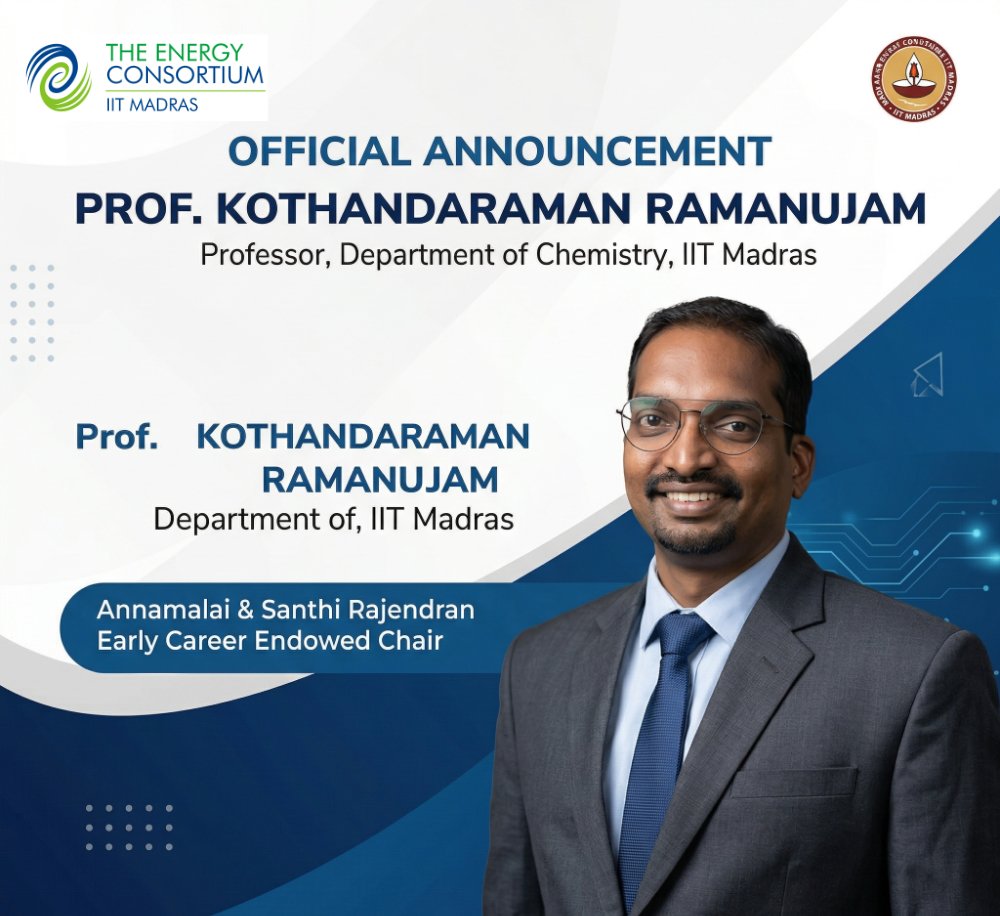
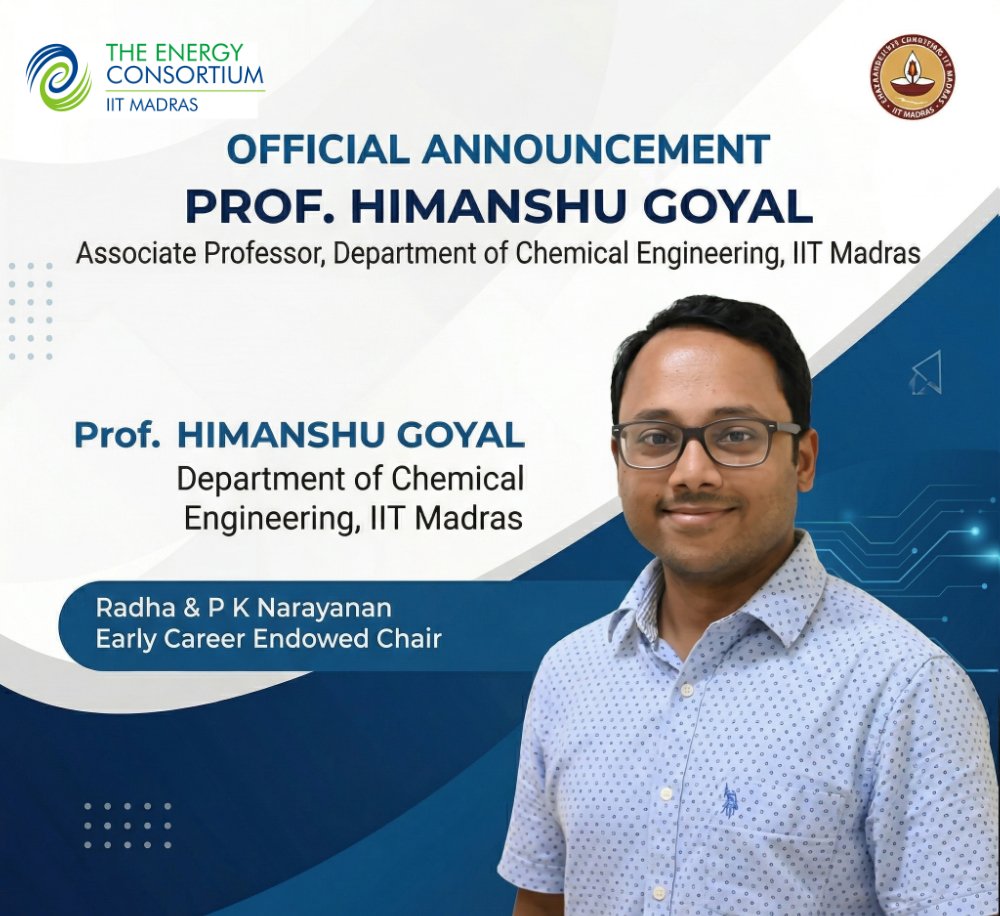
Congratulations to our two faculty colleagues Prof Kothandaraman Ramanujam and Prof Himanshu Goyal for been awarded the endowed chair positions!
Warm regards,
Nikhil Tambe
CEO,
Energy Consortium, IIT Madras
POWERING CONVERSATIONS
Joint Collaboration for future grid augmenting and grid enhancing technologies
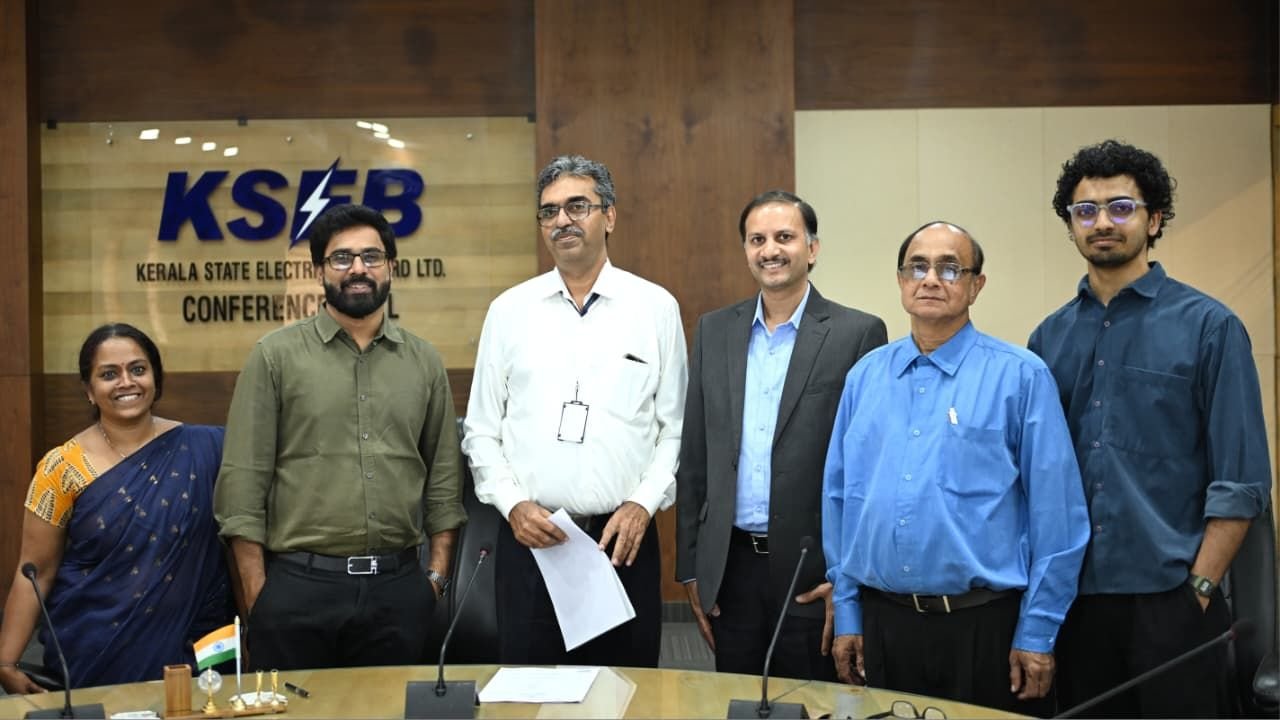
The Energy Consortium – IIT Madras signed a definitive MoU with the Kerala State Electricity Board (KSEB), an integrated electricity utility of the Government of Kerala responsible for generation, transmission, and distribution of electricity across Kerala, supplies electricity to about 99% of consumers in Kerala, to around 1.42 crore consumers as on December 2025. KSEB’s journey has seen significant changes in energy generation, cost structures, and consumer patterns. It places a strong emphasis on renewable energy adoption, Solar power, in particular, has seen exponential growth. To address the intermittency of renewable energy, KSEB is exploring the feasibility of Pumped Storage Plants and Battery Energy Storage Systems. The surge in peak demand and off-peak availability has necessitated investment in the power infrastructure and in balancing peak and off-peak requirements.
Jointly with The Energy Consortium, KSEB will be exploring opportunities of engagement in research areas of interest that include Grid stability and integration of renewable energy, particularly rooftop solar, and Electric Vehicle (EV) related charging load management, dynamic line rating solutions, grid analytics, grid edge solutions, analytics solutions using smart meters and other areas.
The Energy Consortium will conduct technology verification and validation of its advanced models and AI based stacks for helping better anticipate and therefore cater to the enhanced management of volatile and intermittent renewable sources. The engagement will also include support on policy and regulatory matters through collaboration on white papers, scientific inputs to policy makers, and reports on impact assessments.
Trilateral partnership to drive innovation in resilient grid technologies
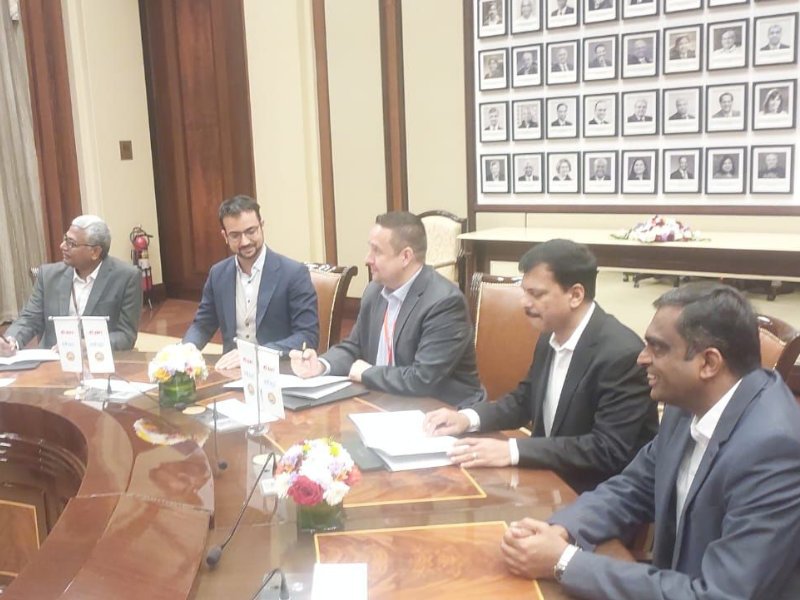
Indian Institute of Technology, Madras has, via The Energy Consortium – IIT Madras and School of Innovation & Entrepreneurship, entered into a collaborative framework agreement with E.ON Group Innovation (EGI) and Infosys in the field of energy and digital innovation. The objective is to jointly explore, structure, and advance innovation opportunities by aligning business challenges identified by E.ON with solutions emerging from startup ecosystems and student-led ventures in India, including both IIT Madras–affiliated and non-affiliated participants.
Stay tuned for more details coming in very shortly!
EGI is the E.ON Group’s incubator for technologies and business models in the new energy world. As part of one of Europe’s largest energy providers, EGI drives the development of new solutions for the E.ON Group and promotes collaboration with start-ups, universities, and innovative companies.
Infosys is a global leader in next-generation digital services and consulting. As a digital energy orchestrator, Infosys partners with leading energy companies to modernize grids, integrate renewables, and enable low carbon solutions leveraging cutting-edge digital innovation—advanced analytics, AI-powered optimization, IoT, and digital twins.
Caterpillar on campus
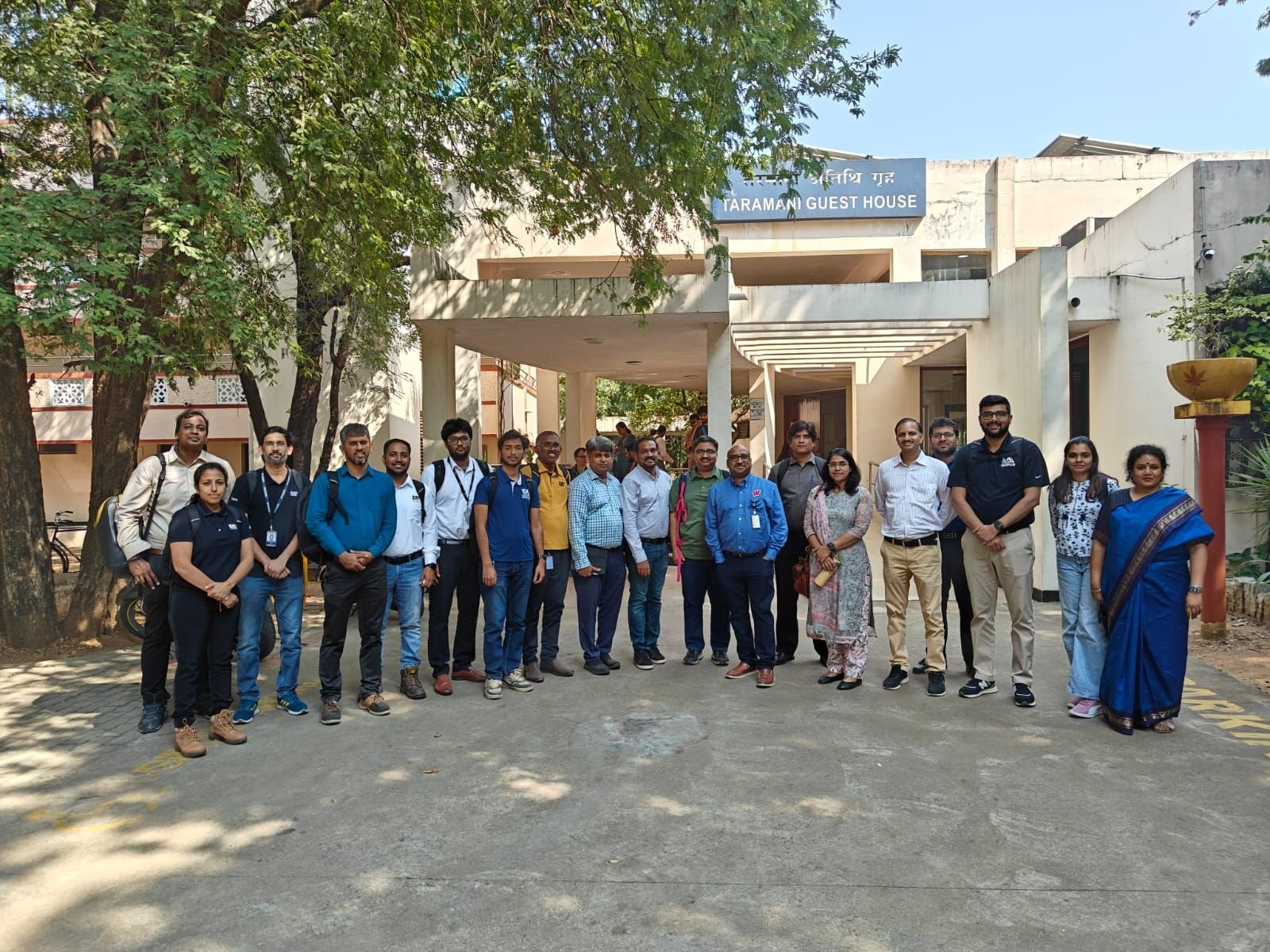
Powering Collaboration for a Low-Carbon Future ⚡🤝
The Energy Consortium was delighted to host a large team of cross-business professionals from our Core Member Caterpillar Inc., led by Industry Advisory Board member Prashanth Ravi, PhD.
The visit facilitated engaging discussions for industry professionals with faculty and provided interactions with researchers and students in labs nucleating exciting exchanges around collaborative research opportunities.
Key focus areas explored included microgrids, power electronics, energy storage, battery recycling, along with emerging domains such as advanced fuels, low-carbon technologies, and industrial decarbonisation—including heating & cooling systems and waste energy recovery.
The enthusiasm and shared vision set the stage for impactful industry–academia collaboration ahead.
ENERGY BRIEFS
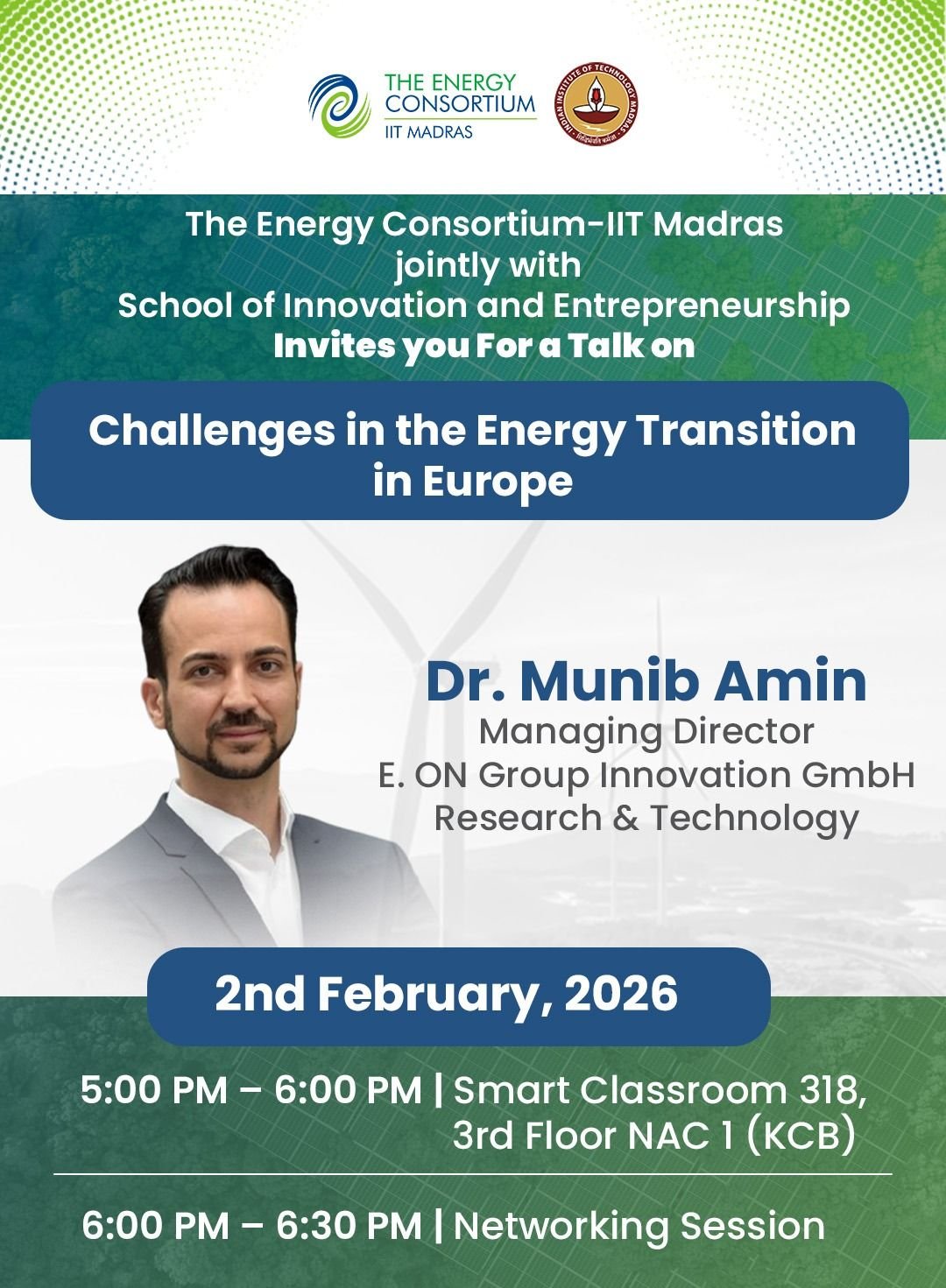
Challenges in Energy Transition in Europe, Munib Amin: Expert talk
The Energy Consortium – IIT Madras, jointly with the School of Innovation and Entrepreneurship, organized a talk delivered by Munib Amin, MD – E.ON Group Innovation. The talk explored Europe’s shift from a centralized, 19th-century electromechanical model to a distributed, digitized energy system — focusing on complexity, resilience, renewables integration, workforce constraints, and the role of digitalisation and automation.
It covered some key challenges such as:
- System Complexity & Stability: The move toward millions of decentralized assets (like solar PV) makes the grid less predictable and harder to stabilize compared to traditional centralized power plants.
- Infrastructure Mismatch: Existing distribution grids were designed for consumption, not for collecting and redistributing massive amounts of renewable energy, requiring expensive and massive upgrades.
- Resilience & Security: The system faces increasing vulnerabilities from technical instabilities (oscillations), physical sabotage, and cyber risks, all while needing to maintain 100% reliability.
- Workforce Constraints: An aging population in Europe has created a severe shortage of qualified craftspeople and engineers needed to physically implement the energy transition.
- Legacy & Regulation: Mature economies often struggle with “over-engineered” solutions and heavy regulatory burdens that slow down innovation and increase costs.
And also discussed possible pathways including
- Massive Digitization: Implementing real-time grid observability, AI-driven forecasting, and automation to manage the complex, fluctuating intake of renewables.
- Frugal Innovation (Indo-European Collaboration): Leveraging India’s expertise in “frugal innovation” to develop simple, low-cost, and scalable solutions that can be proven in India and then transferred to the European market.
- Paradigm Shift in Design: Instead of just emulating the old system digitally, there is an opportunity to build an entirely new, decoupled, digital-first system that is more resilient and sustainable.
- Resilience Framework: Moving toward a “Prevention, Detection, and Mitigation” strategy where the ability to rapidly recover from a disruption is prioritized alongside system robustness.
In the context of the India–EU FTA, the talk highlights opportunities to scale India’s presence in Europe’s high-value markets, with long-term, predictable access fueling partnerships.
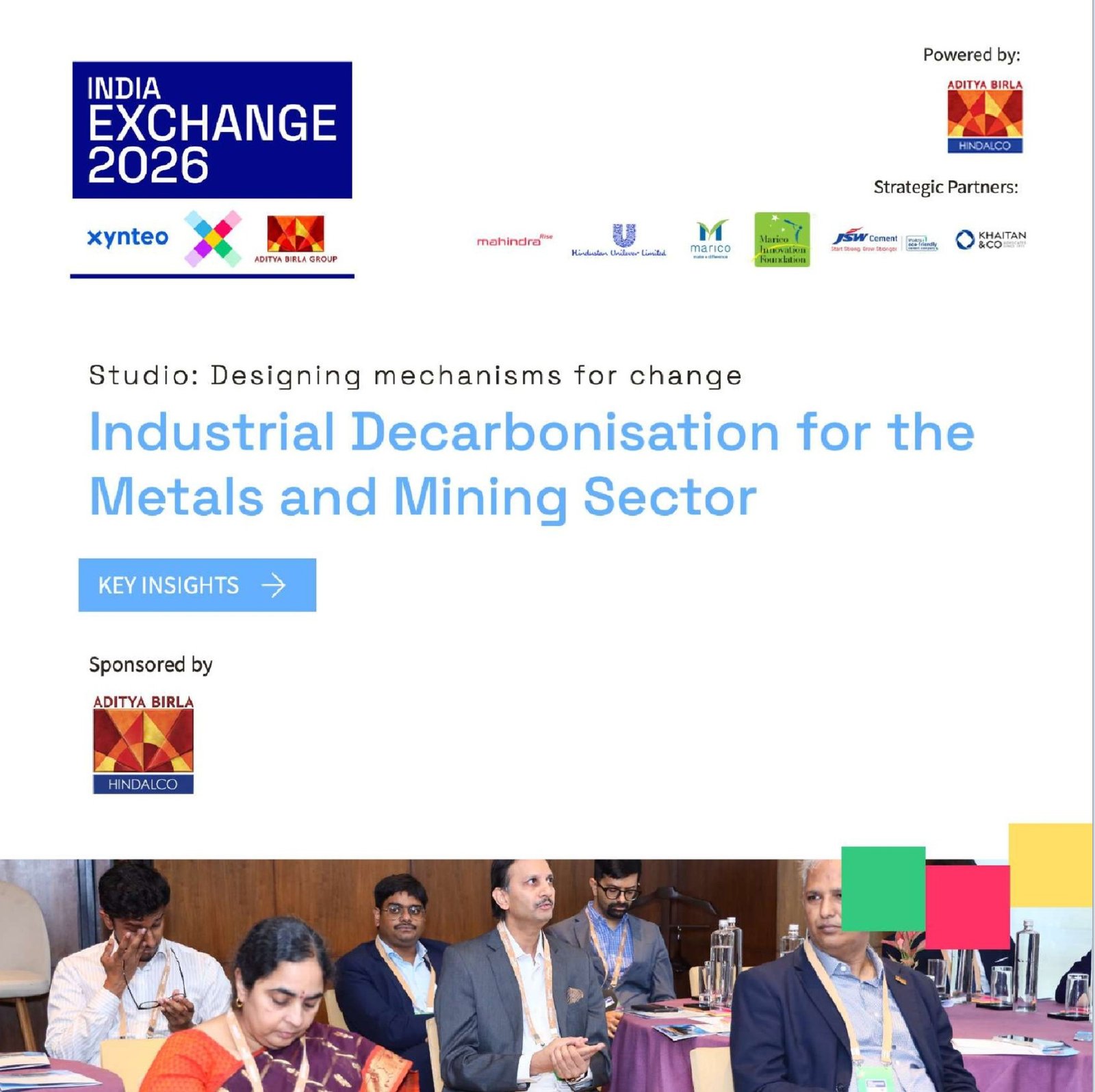
India Exchange (Xynteo): Industrial Decarbonization for metals and mining sector
The Energy Consortium has been in partnership with Xynteo in addressing industrial decarbonization and sees a strategic connect given not only the mutual agenda but also given a large overlap in our partnering industry members.
At the UK-India Exchange 2026, the Industrial Decarbonisation Studio for Metals and Mining focused on a fundamental question: how do we turn trade and climate ambition and free trade agreements (FTA) into investable, large-scale decarbonisation of heavy industry, specifically the metals and mining industry? Bringing together 36 leaders from across metals, technology, finance, and policy, the session explored how a green metals corridor between India, the EU, and the UK can be designed to accelerate industrial decarbonisation through coordinated action on technology, finance, and markets.
The discussion was grounded in the realities of evolving trade relationships and rising carbon-cost exposure from mechanisms such as carbon border adjustments. Participants worked through what it would take to translate emerging FTA ambitions into credible demand for green metals, scalable capital flows, and bankable projects. A central theme was the need for robust, shared standards and risk-sharing mechanisms between governments, financiers, and industry to de-risk first-of-a-kind investments in low-carbon metal production and enable capacity to scale at pace.
This was a fantastic platform for Nikhil Tambe, CEO – The Energy Consortium, for representing the consortium perspective and point of view while sharing the platform with industrial leaders, innovators, and ecosystem partners that included the National High Speed Rail Corporation Ltd (NHSRCL), Hindalco Industries Limited, Punjab Renewable Energy Systems Private Limited, Tata Steel, Technip Energies, GIZ India, India EU Trade Council, John Cockerill, Ambica Steels, Caliche Development Partners, Jakson Green, Siemens Infrastructure, TraceXero, Birla Estates, Shell, UrjanovaC Pvt Ltd, JSW Steel, Novasensa, SGT HydroEdge, Ashwatta, European Business and Technology Centre (EBTC), SBES Technologies, ZeCa Capital, Oil and Natural Gas Corporation Limited (ONGC), ARES Systems, Umagine, Ossus Biorenewables, the Studio outlined practical pathways for UK–EU–India collaboration that can both support deep industrial decarbonisation and strengthen future green trade corridors.
EDUCATION/ WORKSHOP & SYMPOSIA
CII SR Energy transition summit
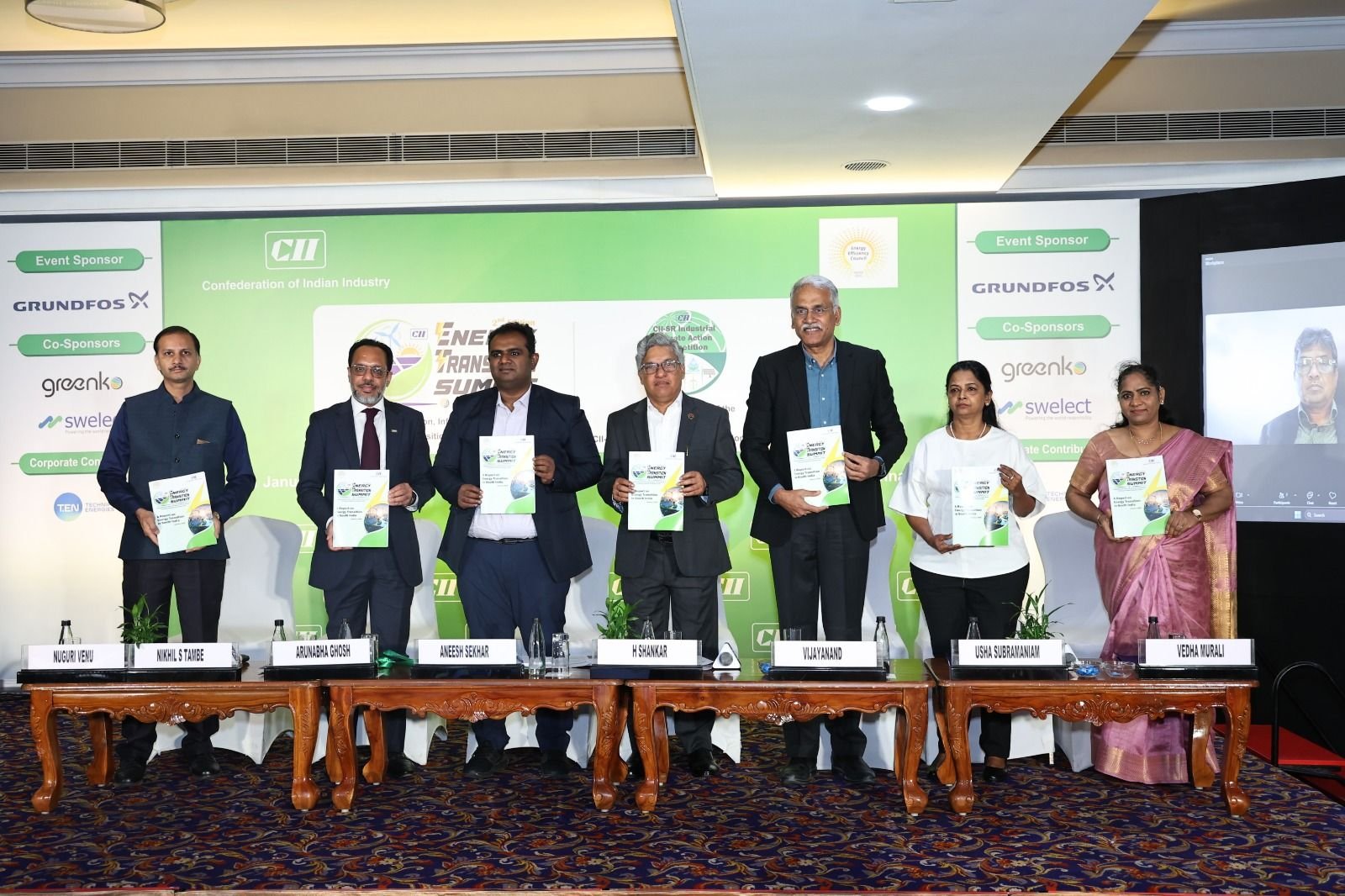
The Confederation of Indian Industry (CII) – Southern Region, in collaboration with The Energy Consortium – IIT Madras, conducted the 2nd successful Edition of the CII-SR Energy Transition Summit 2026—a flagship platform focused on Integrating Innovation, Infrastructure & Investment to accelerate the energy transition in Southern India.
CII and the Energy Consortium – IIT Madras hosted policymakers, industry leaders, investors, utilities, and technology pioneers to come together to shape a secure, sustainable, and scalable energy future for India.
Several key topics were covered during the two day deliberations including
- Energy–Water Nexus: Building Resource-Efficient Infrastructure for Clean Energy Transition
- Rethinking India’s Energy: From Conventional Sources to Cleaner Power
- Enhancing Solar & Wind Hybrid Power with Smarter Digital Grid
- Green Hydrogen & Emerging Fuels: Bridging Policy and Market Demand
- Regulators as Accelerators for Speed and Scale of Energy Transition
- Digital Infrastructure for a Smarter Energy System
- Powering the Low-Carbon Transition through New Age Storage Solutions
- Financing the Transition: Capital, Credit and Confidence
- From Carbon Liability to Asset Monetizing – a Key to Global Energy Shift
The event was attended by several prominent leaders and thought inducers from the energy domain and became a fantastic showcase of the Energy Consortium in engaging with the premier confederation for industry in India while covering multiple topics not limited to only technology but also covering economics, policy and social perspectives that will shape the deployment and success of energy transition for the nation.
SMARTCHEM 2026 at St Joseph
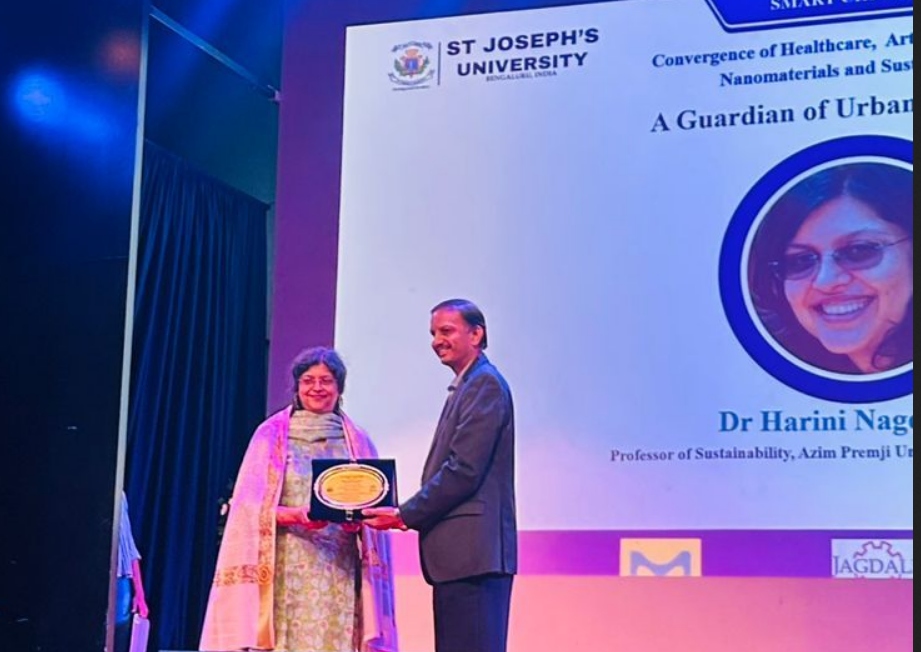
A representation from The Energy Consortium – IIT Madras addressed a gathering of students, scholars and young professionals at SMARTCHEM 2026, an international conference held on January 15–17, 2026, at St. Joseph’s University in Bengaluru, India.
Prof. Rajnish Kumar (Professor & Head, School of Sustainability IIT Madras) delivered the inaugural address on NetZero India by 2070 highlighting current challenges and research focus. Nikhil Tambe, CEO – The Energy Consortium chaired a session on Energy, Climate and Sustainability which featured keynotes by Prof Harini Nagendra of Azim Premji University and Prof Himanshu Goyal, Dept of Chemical Engineering at IIT Madras and a thought inducing panel on ‘the industry and academia collaboration potential in fast tracking future innovations’ that was ably guided by our industry advisory board member Rahul Wagh and IIT Madras incubated and our affiliated startup co-founder Jayesh Jain, amongst others.
The conference focused on the convergence of Healthcare, Artificial Intelligence, Nanomaterials, and Sustainability (CHAINS), featuring AI-driven molecular design and sustainable chemistry as part of the university’s centennial celebrations. This was a brilliant example of engagements in the broader academic realm supported and encouraged by The Energy Consortium and ably supported by its affiliated faculty and industry/start-up partners.
NEWS
International Conference on Energy and Resource Recovery for Sustainable Circular Economy (ICERSC 2026)
The ICERSC 2026 aims to bring together leading researchers, students, academicians, policymakers, and industrial experts to discuss innovations and strategies promoting a sustainable circular economy through energy transition and resource recovery. The conference, via its two themes – biochemical technologies and thermochemical technologies, will focus on integrating energy recovery technologies, waste valorisation, and renewable resource management to achieve net-zero and low-carbon goals in line with India’s 2070 net-zero commitment. Through keynote speeches, technical paper sessions, and panel discussions, the conference will serve as a platform to advance scientific collaboration, policy frameworks, and industrial partnerships. It will also facilitate interdisciplinary dialogue to enhance resource efficiency and sustainability-oriented innovation at both academic and industrial scales.
International Conference on Energy Conversion and Storage (IECS) 2026
The Energy Consortium’s 4th Industry Convening

ANNOUNCEMENTS
Endowed Chair positions: Celebrating Academic Excellence
The Energy Consortium – IIT Madras proudly applauds our two affiliated faculty members on their announcement as Endowed Chairs, a well deserved recognition of their outstanding contributions to research, teaching, and innovation.
Prof. Kothandaraman Ramanujam
Professor, Department of Chemistry, IIT Madras
Annamalai & Santhi Rajendran Early Career Endowed Chair
Prof. Himanshu Goyal
Associate Professor, Department of Chemical Engineering, IIT Madras
Radha & P K Narayanan Early Career Endowed Chair
Endowed Chairs have been set up to recognize outstanding faculty in various stages of their career (Early/ Mid/ Senior) for their achievements in research, collaborating with industry in R&D, innovation, and implementation of state-of-the-art solutions. These are awarded based on the domain of research identified by the donors. The selection is by an internal committee of senior professors.
The Energy Consortium congratulates both faculty members and looks forward to their continued leadership and impact in science, engineering, and sustainable innovation.
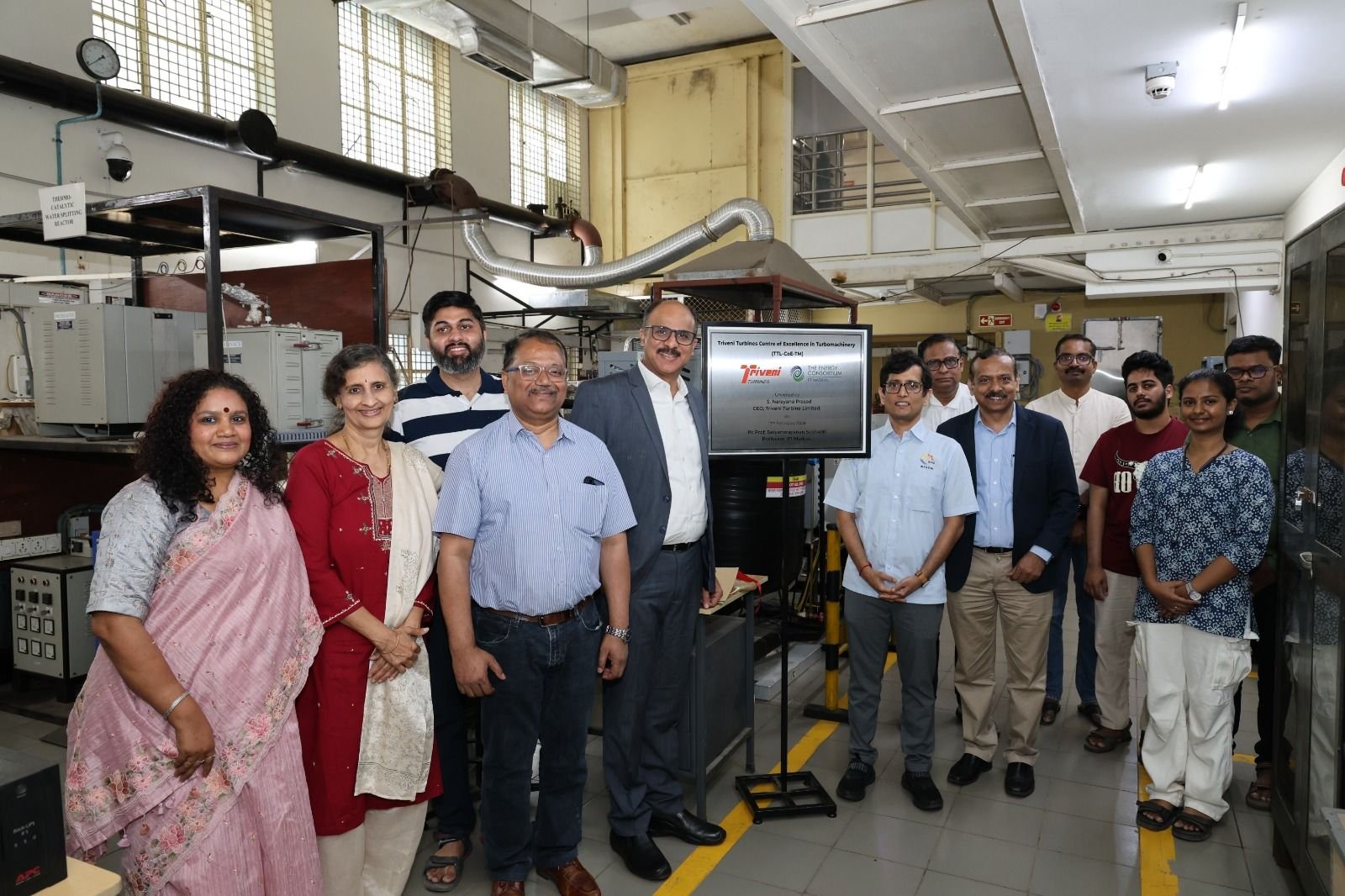
New lab facility: Triveni Turbines COE in turbomachinery
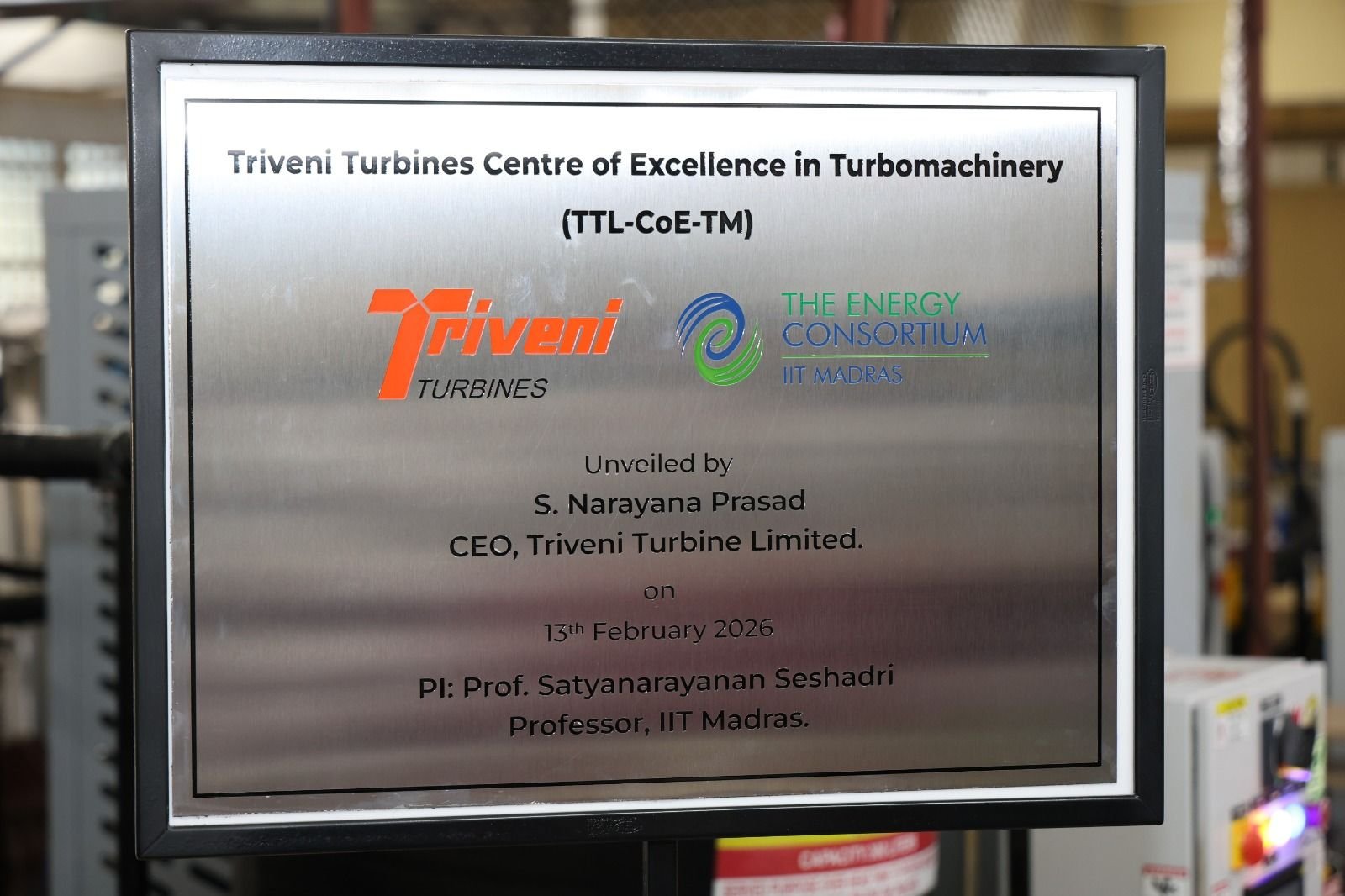
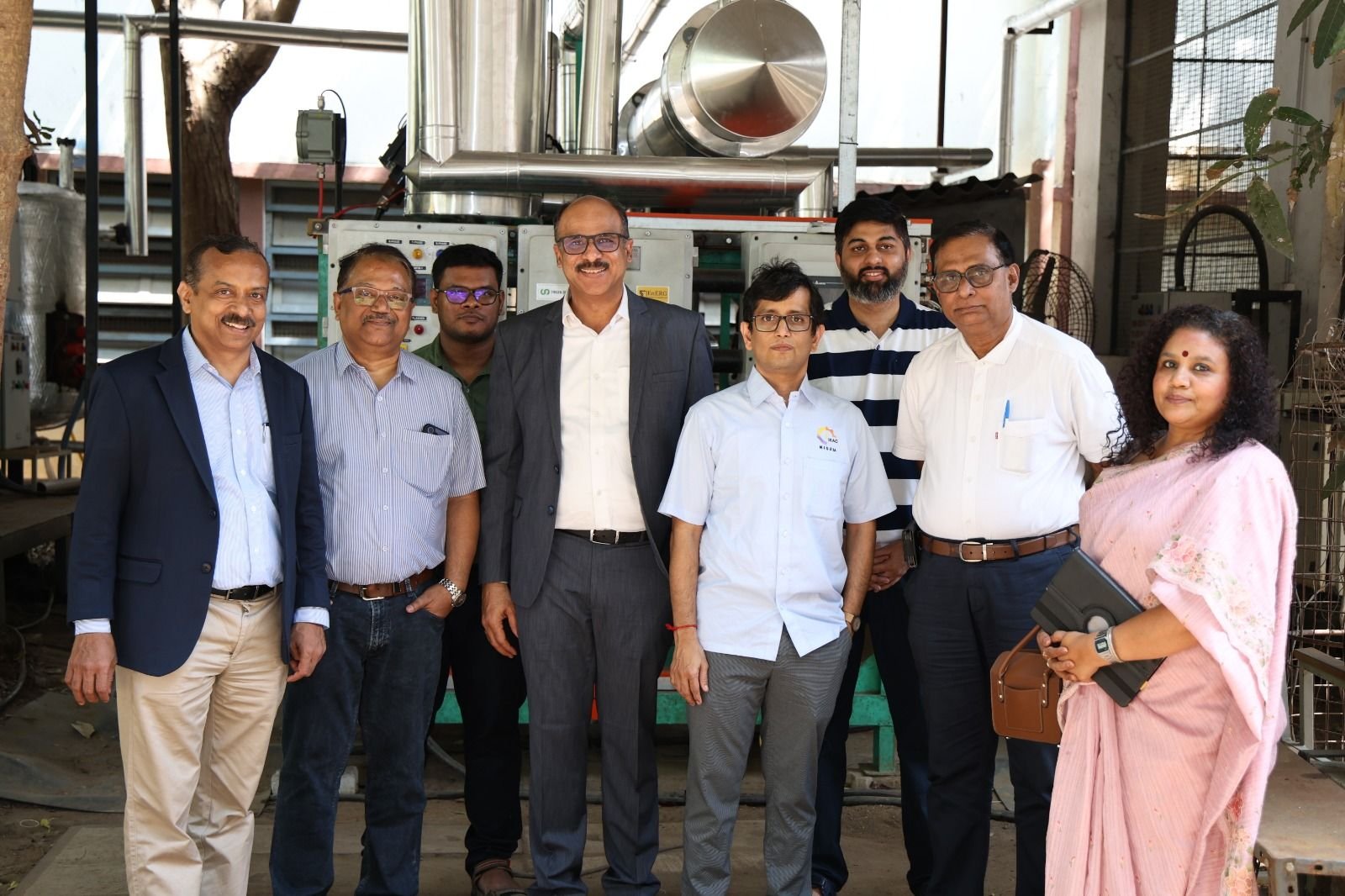
On February 13, 2026, we were proud to witness the inauguration of the Triveni Turbines Centre of Excellence in Turbomachinery at Indian Institute of Technology, Madras. The center established in collaboration with Triveni Turbine Limited is a significant part of the joint capability development activities in supercritical carbon dioxide (sCO₂) based technologies — a frontier area with immense potential for enabling next-gen energy transition solutions.
Triveni’s sustained investment in R&D and commitment to energy-efficient, environment-friendly solutions now extends into the promising domain of sCO₂ power cycles. We’re also proud that The Energy Consortium – IIT Madras will play a key role in this journey.
This Centre marks a significant step towards strengthening industry–academia partnerships in advancing next-generation energy systems. With a focus on supercritical CO₂ technologies, advanced heat transfer systems, and sustainable power solutions, the initiative is poised to accelerate innovation that supports India’s clean energy transition.
A milestone moment for research, innovation, and sustainable industrial progress.
Embark with us on the path to a sustainable energy future!
Visit our website for upcoming events and collaboration opportunities
Write to us with ideas to contribute and any suggestions at