



Academia

Advancing Energy Research Through Collaboration

The Energy Consortium serves as a catalyst for cutting-edge energy research by bringing together faculty, researchers, industry partners, and global institutions. Through centres of excellence, pilot-scale demonstrators, faculty-led innovation programs, and international collaborations, we accelerate the development of technologies that can drive the global energy transition.

Centres of Excellence

At the Energy Consortium – IIT Madras, we take pride in our cutting-edge facilities tailored to support both our research and training endeavours, as well as our esteemed industrial partners. These facilities stand as pillars of essential infrastructure, seamlessly integrating with the Institute’s globally recognized research and educational initiatives.

Our Research Facilities offer access to state-of-the-art technologies and specialized expertise, empowering our community to pursue ground-breaking research and innovation. They comprise a total of 45 instruments and 15 test rigs, and high-computing facilities in multiple groups and labs. In addition, 15 pilot setups, were built to simulate and achieve the desired target of energy needs at the plant scale. These facilities are helping more than 100 researchers and 45 professors understand, simulate, and develop high end technologies. They also serve as dynamic hubs fostering collaboration across faculties, themes, and disciplines, driving excellence in both research and education.

At the heart of our mission lies the commitment to facilitating world-class research and training experiences, and our facilities play a pivotal role in achieving this objective. Explore our facilities and discover how we’re shaping the future of energy research and education.

New Facilities

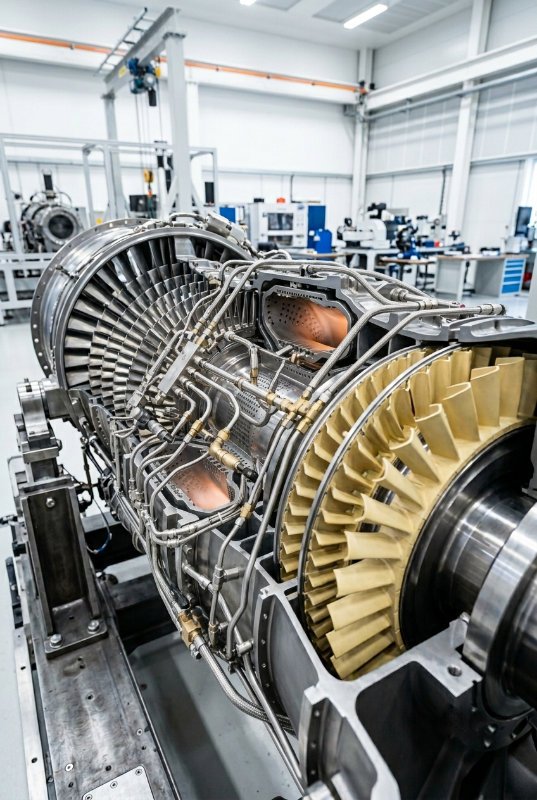
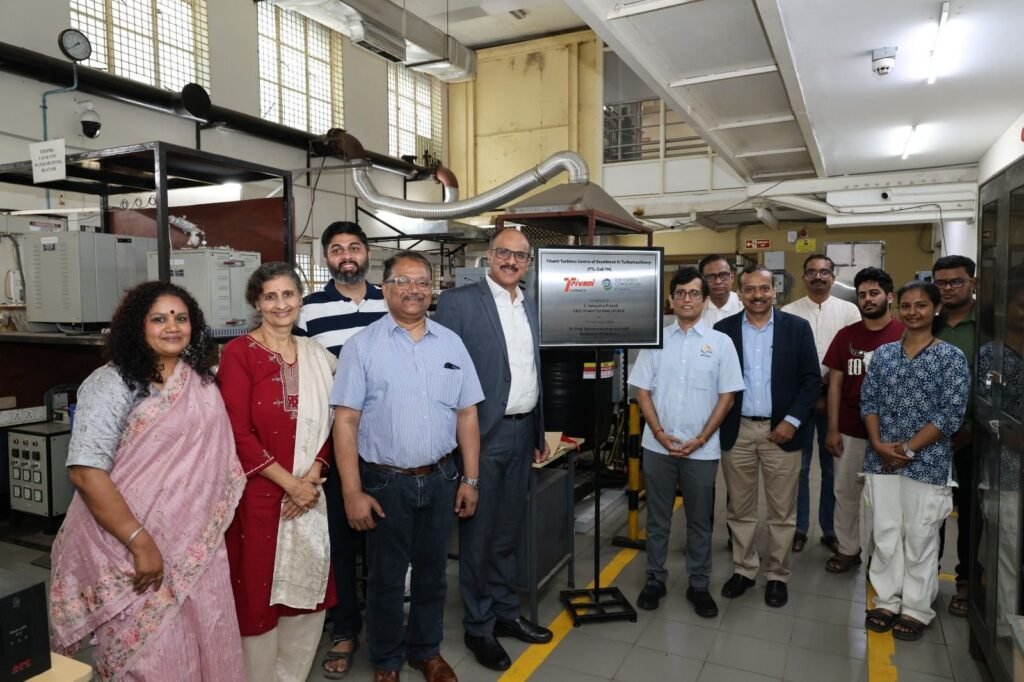
Triveni Turbomachinery Centre of Excellence

The Energy Consortium serves as a catalyst for cutting-edge energy research by bringing together faculty, researchers, industry partners, and global institutions. Through centres of excellence, pilot-scale demonstrators, faculty-led innovation programs, and international collaborations, we accelerate the development of technologies that can drive the global energy transition.

Key focus areas include:

  • Transcritical sCOā‚‚ test loop development
  • High-pressure testing capabilities
  • High-temperature sCOā‚‚ test facilities
  • Integrated sCOā‚‚ circuit testing laboratories

Ā The centre is creating critical research infrastructure that supports innovation in efficient and low-carbon power generation technologies.

Pilot Demonstration Projects

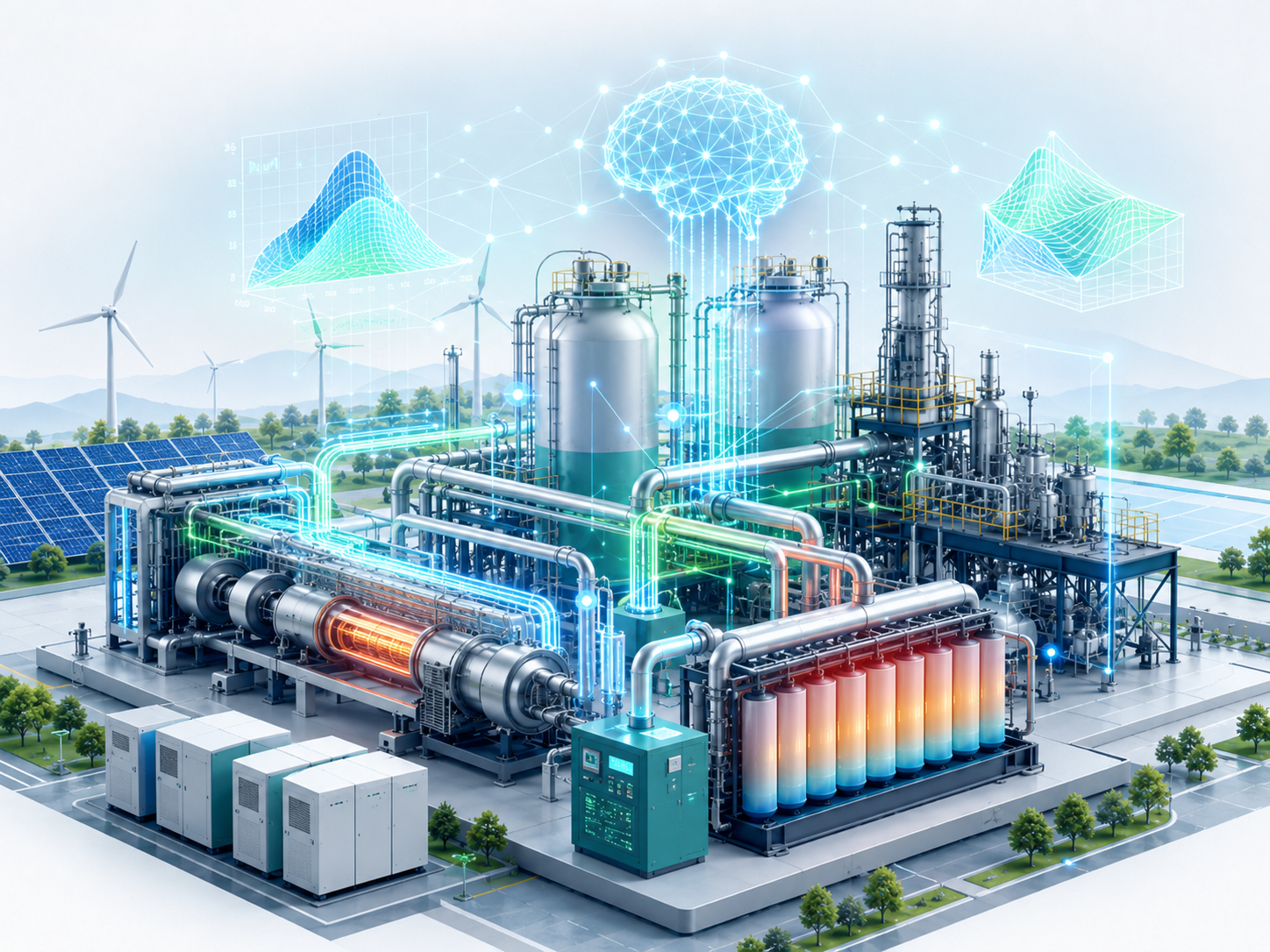
Industrial AI for Process Energy Optimization & Predictive Maintenance

Problem & Motivation: Modern thermal plants, chemical refineries, and energy storage systems generate massive amounts of operational data. Unintended operational drift, non-linear dynamics, and delayed ...
Read More →

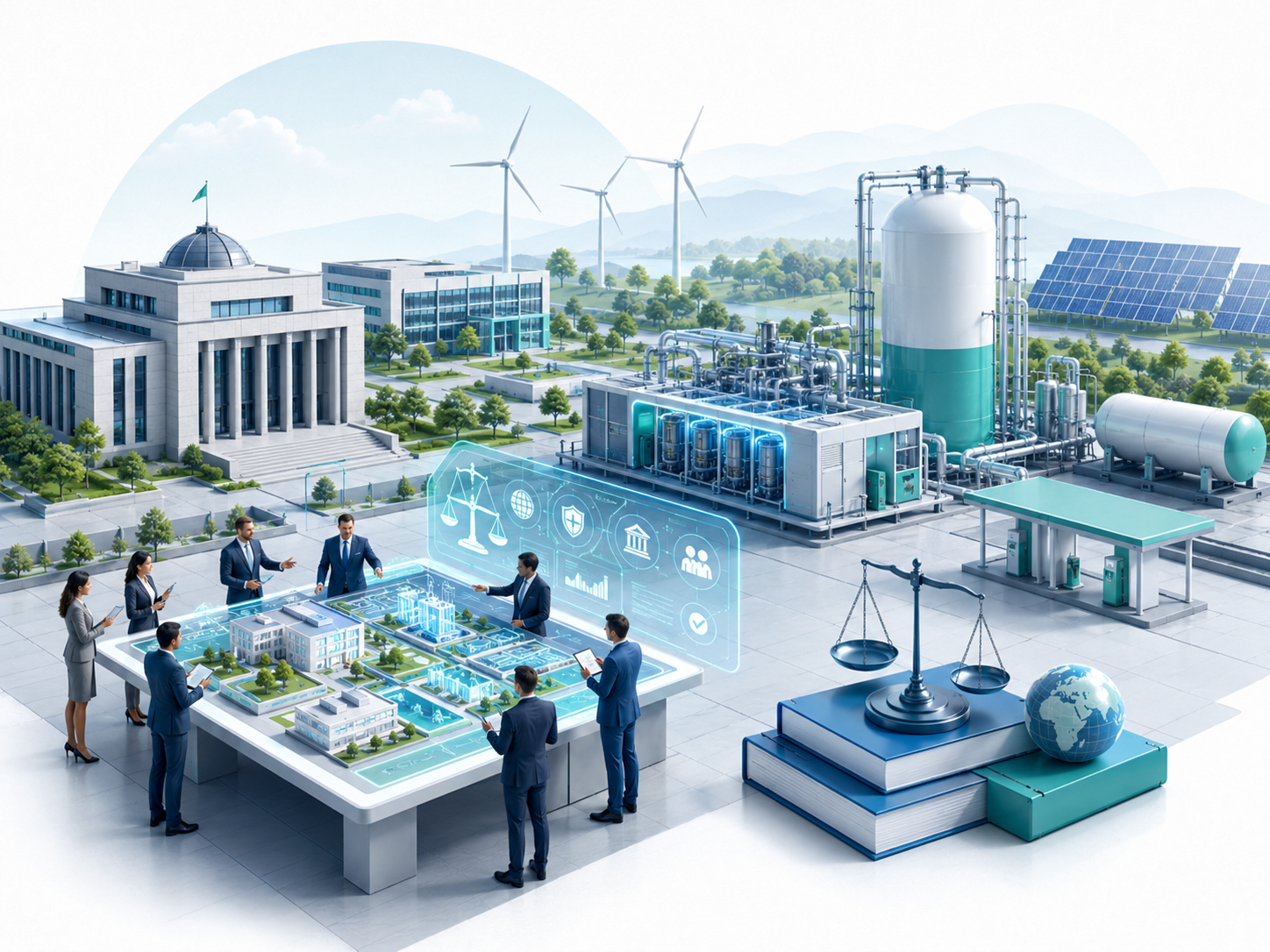
Institutional Energy Transition Frameworks & Green Hydrogen Policy

Problem & Motivation: Advanced clean-tech R&D often struggles to achieve market penetration due to mismatches between technology development, corporate ESG compliance mandates, statutory reporting regulations ...
Read More →

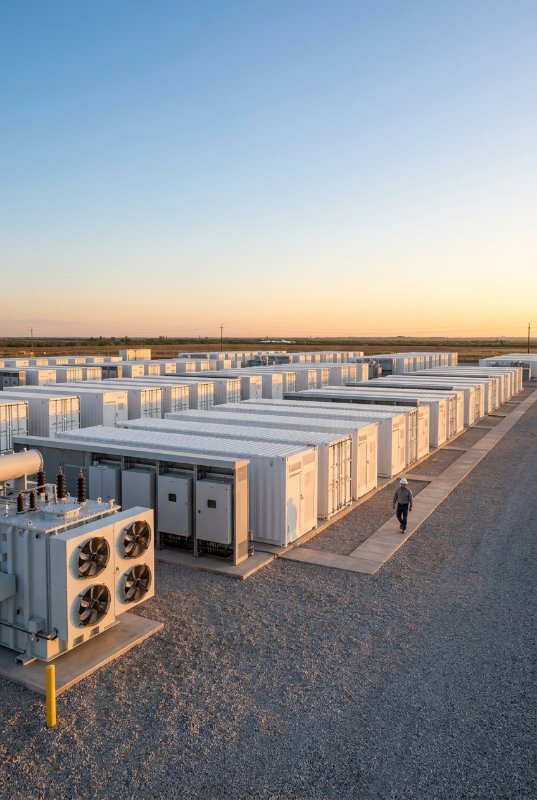
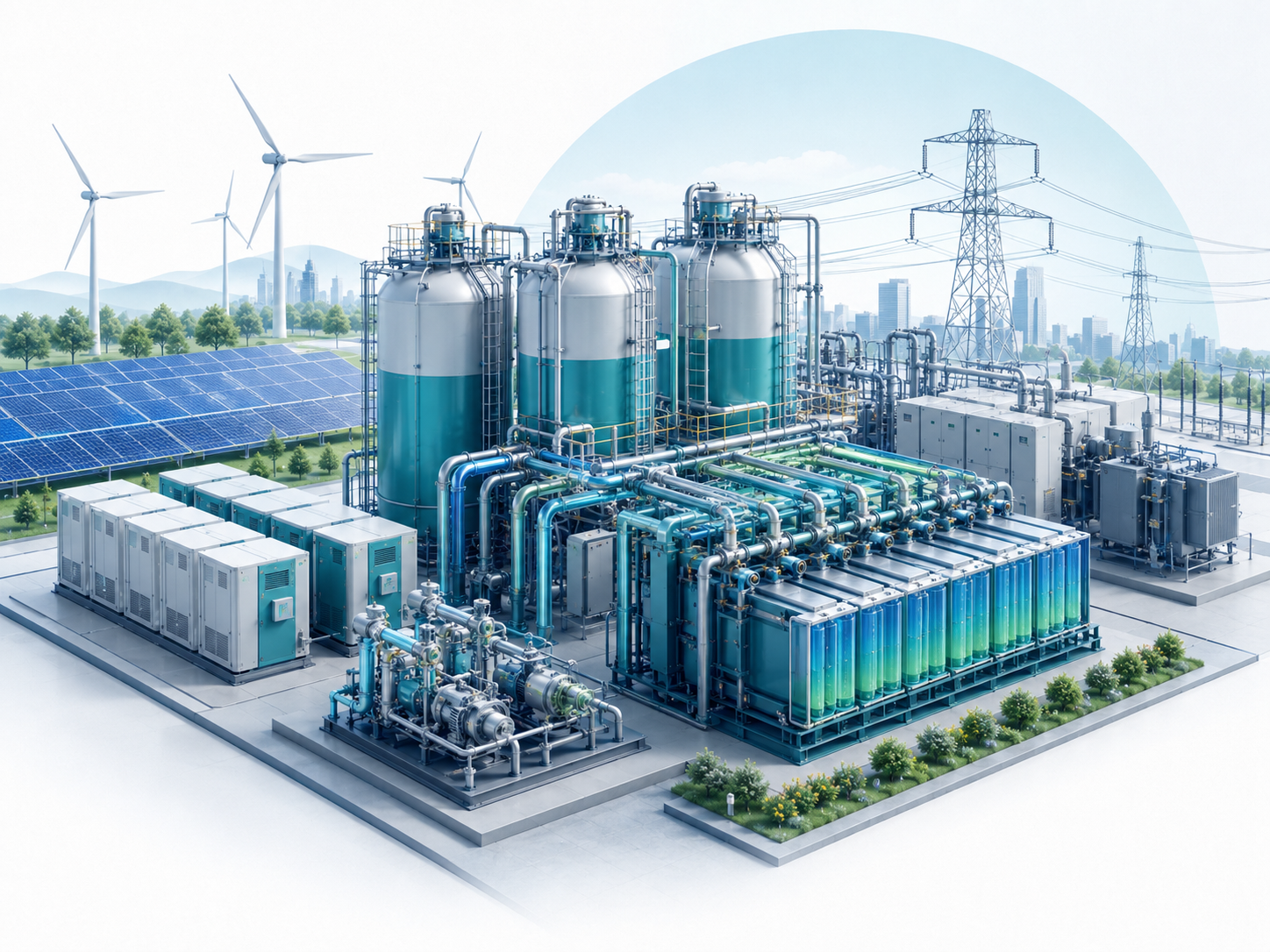
Long-Duration Vanadium Redox Flow Battery Systems for Grid Buffering

Problem & Motivation: Multi-hour grid storage using lithium-ion chemistry faces risks of thermal runaway, capacity fading over daily cycles, and high material replacement costs, creating ...
Read More →

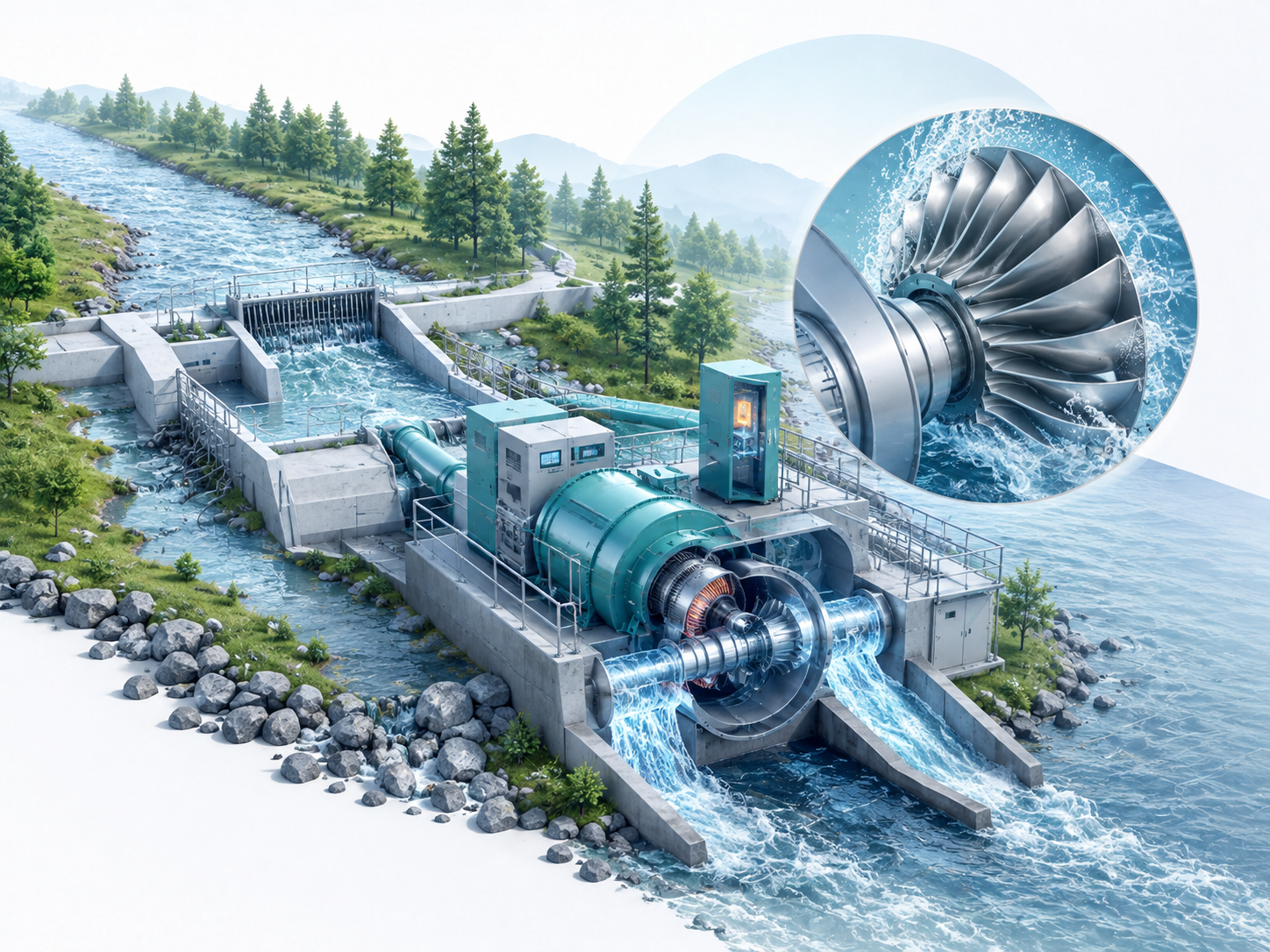
Distributed Hydrokinetic Power Systems for Unused Water Infra

Problem & Motivation: Conventional hydroelectric generation requires large dams that cause severe land displacement, environmental disruption, and high capital outlay. Millions of kilometers of canal ...
Read More →

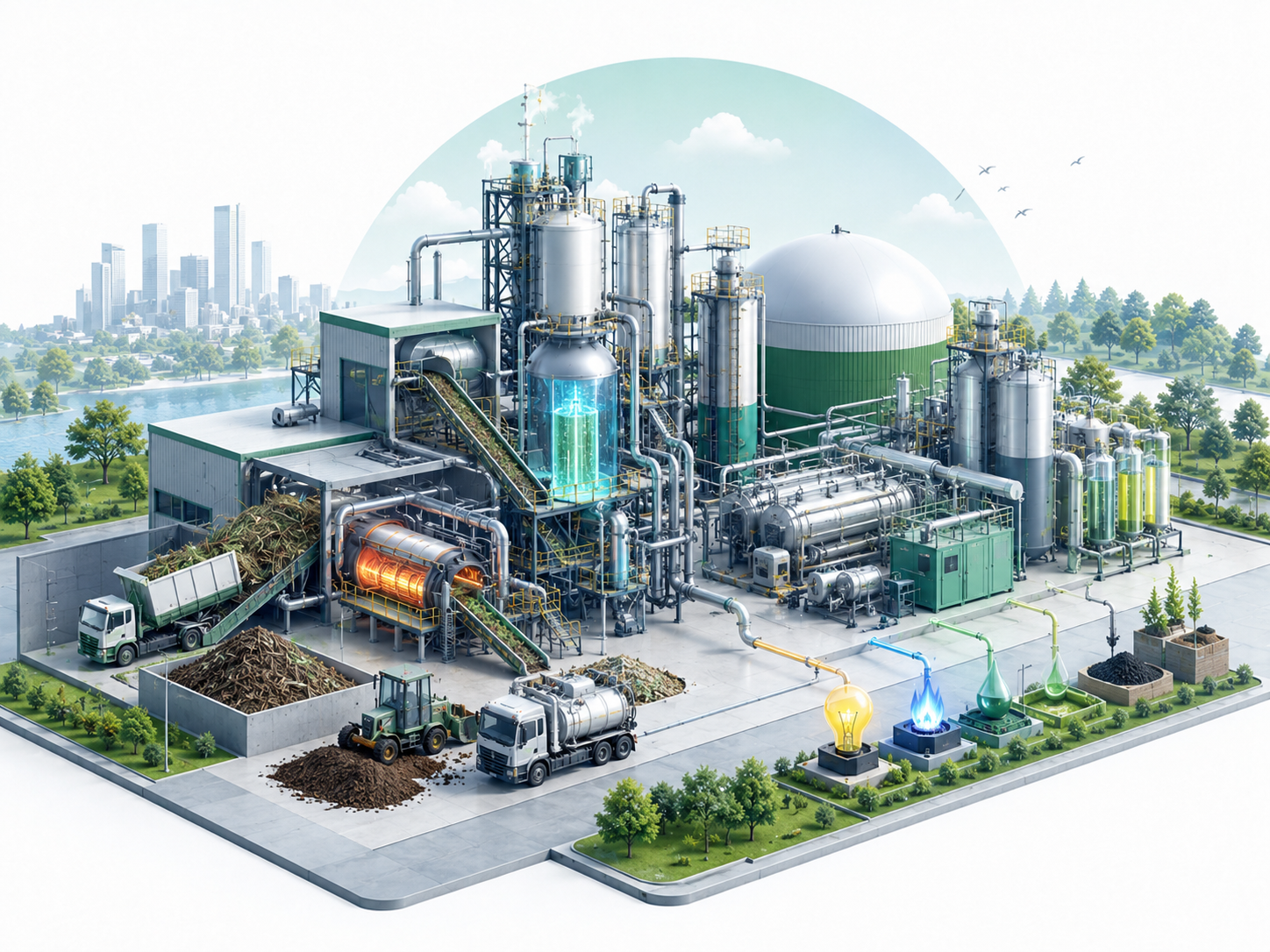
Industrial Biomass & Municipal Sludge Valorization Systems

Problem & Motivation: High-moisture organic waste streams—such as municipal sewage sludge, septage, microalgae, and agricultural residues—require energy-intensive pre-drying, making conventional thermochemical techniques like pyrolysis economically ...
Read More →

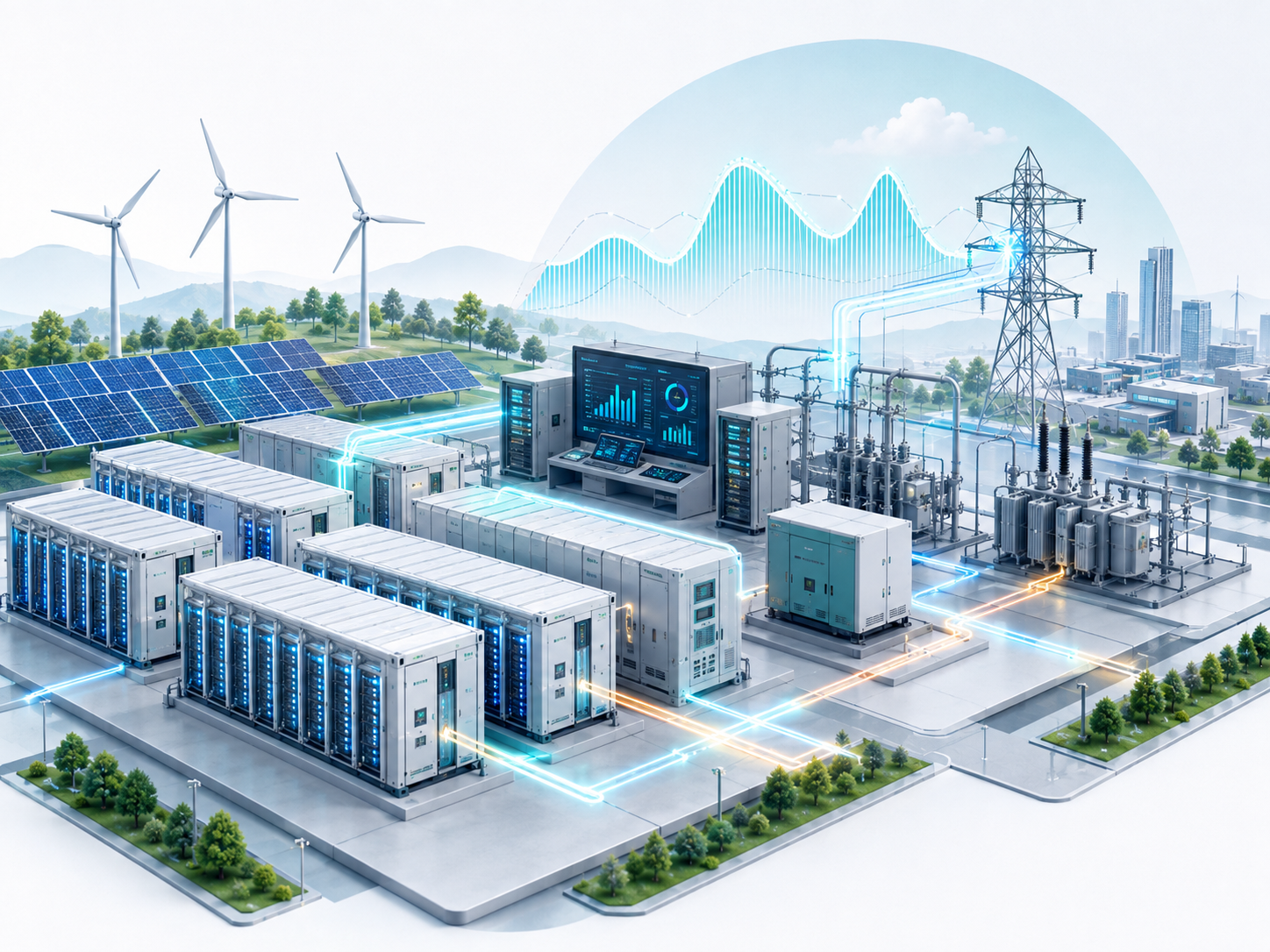
Smart BESS Architectures for Renewable Firming & Peak Load Shaving

Problem & Motivation: High penetration of intermittent solar and wind energy into power grids creates frequency instability and peak supply mismatches. Standard battery systems face ...
Read More →

India’s energy challenges are problems without borders, requiring technology and engineering solutions. Technology solutions at scale in India are potentially global solutions and industry-academia partnerships give power and momentum to such technology developments.

The consortium would be a strategic partner to help incubate and groom technology that is in the discovery and feasibility stages and to assist those in the pilot demonstration levels through use case scenario validations and techno-economic studies geared to understand scaling and commercialization aspects.

The idea is to enhance and accelerate R&D efforts of the consortium members on topics of mutual interest/ benefit by partneringĀ withĀ IITM.

Global Academic Collaborations

The Energy Consortium actively supports international research mobility and collaborative projects that connect IIT Madras researchers with leading institutions worldwide.

Mobility Program Highlights

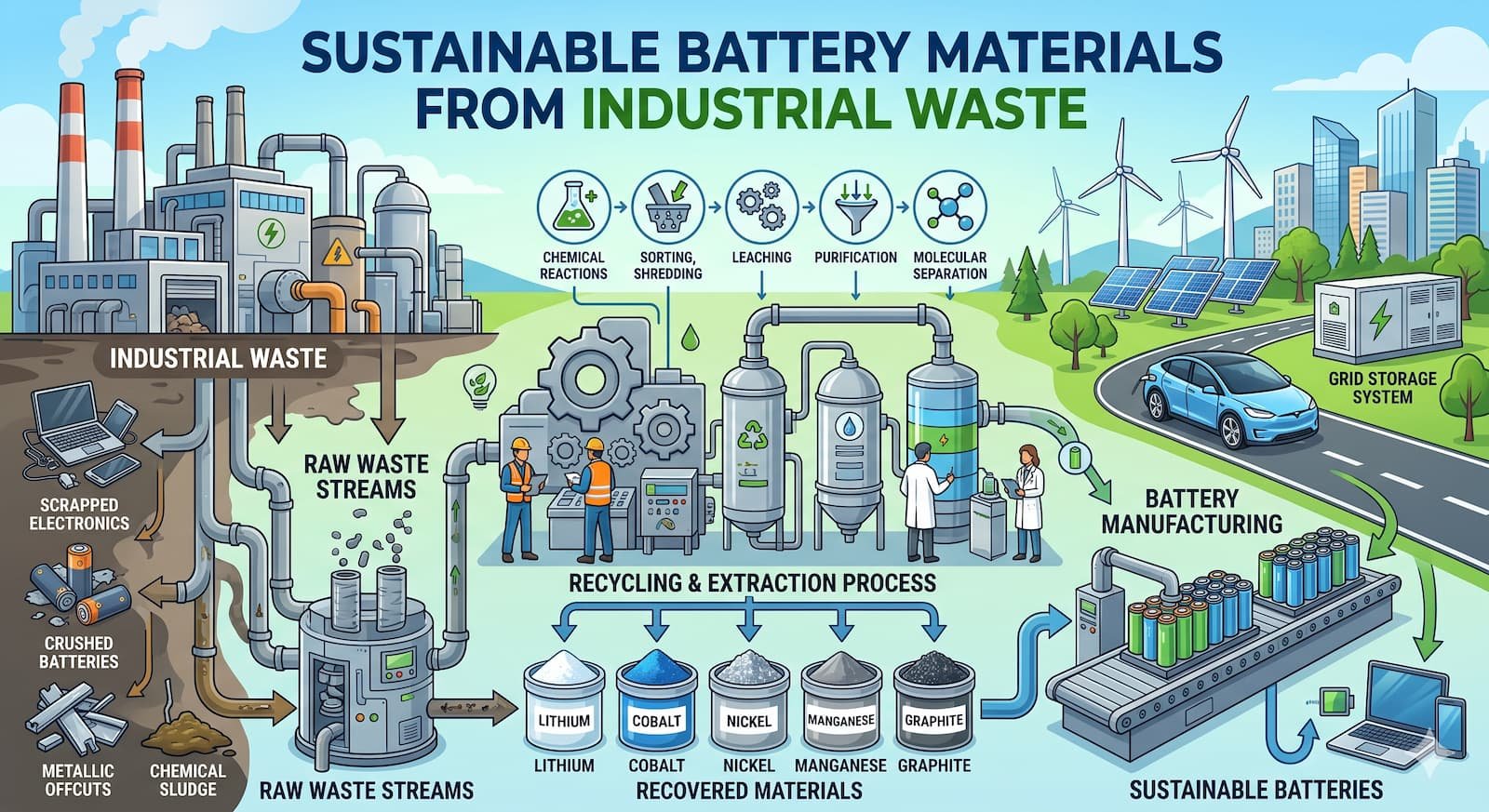
Sustainable Battery Materials from Industrial Waste

Prof. Ranjit Bauri
Department of Metallurgical and Materials Engineering

In collaboration with the Norwegian University of Science and Technology (NTNU), this project focuses on recovering valuable materials from industrial waste streams and transforming them into cathode materials for lithium-ion batteries, advancing sustainable resource utilization and circular economy principles.

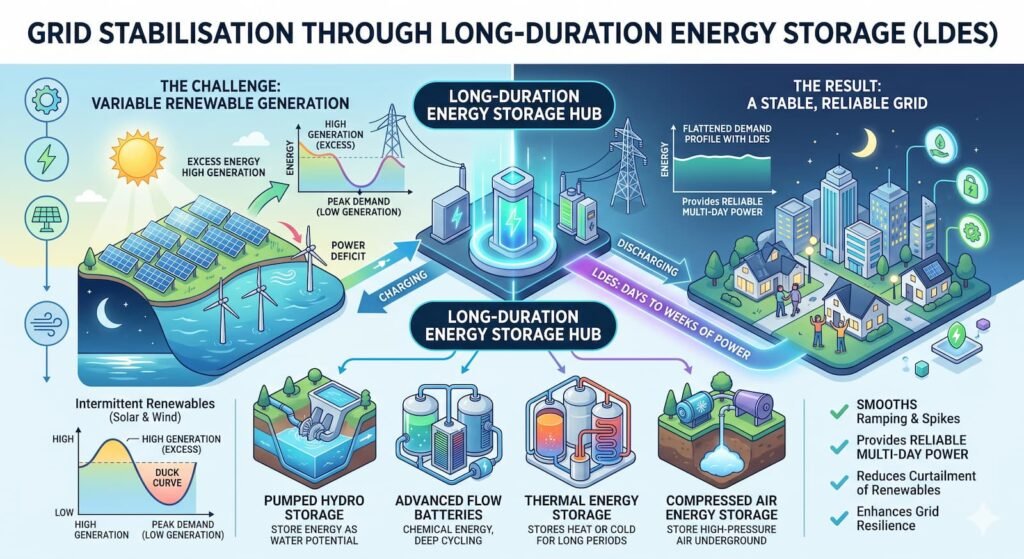
Grid Stabilisation Through Long-Duration Energy Storage

Prof. Raghuram Chetty
Department of Chemical Engineering

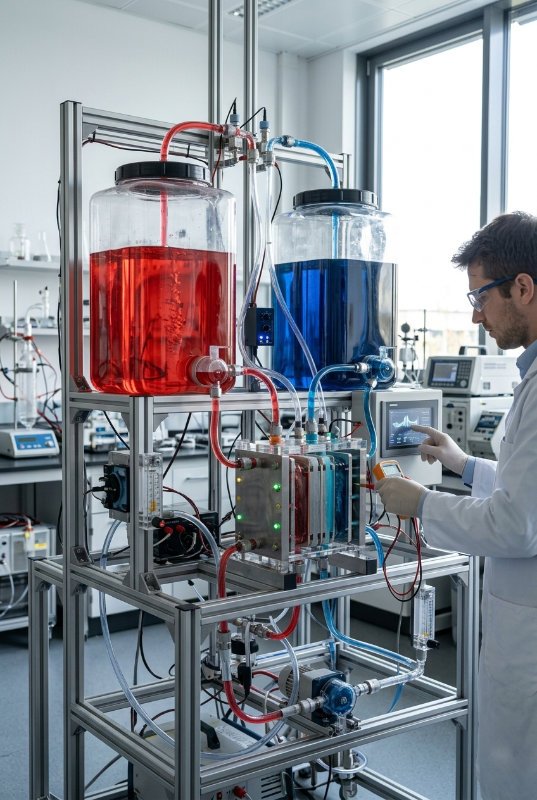
In partnership with the University of Hull under the Jointly Funded Bilateral Mobility Program (JFBMP) 2025, the project explores the feasibility of deploying a 100 MWh Vanadium Redox Flow Battery system to improve grid stability and strengthen critical infrastructure resilience.

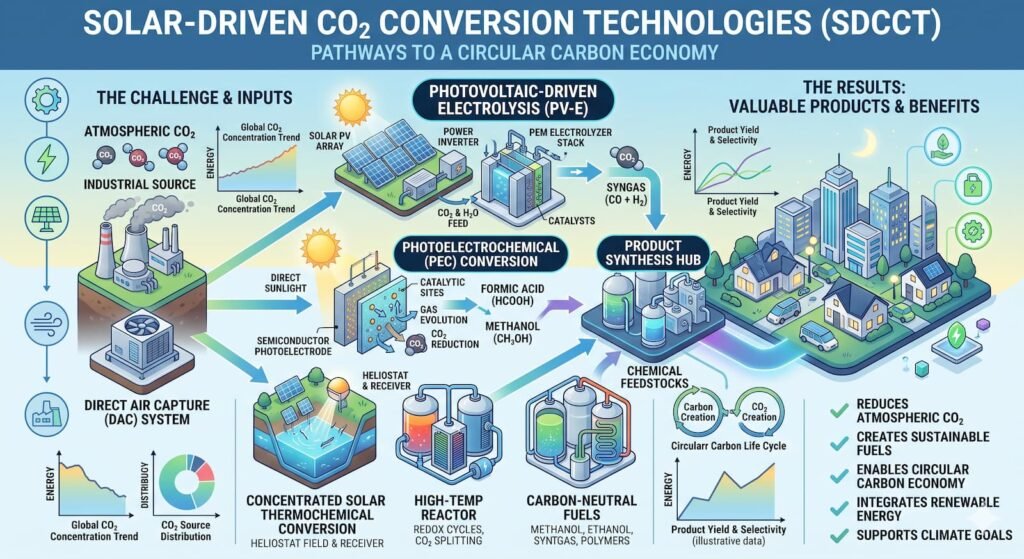
Solar-Driven COā‚‚ Conversion Technologies

Prof. Somnath C. Roy
Department of Physics

Working with Tel Aviv University under JFBMP 2024, the project focuses on advanced photocatalysts capable of converting carbon dioxide into valuable products using solar energy, contributing to sustainable fuel generation and carbon utilization technologies.

Building the Future of Energy Research

From laboratory discoveries to pilot-scale demonstrations and global collaborations, the Energy Consortium provides the platform, infrastructure, and partnerships needed to transform breakthrough research into real-world impact. Together, we are creating the technologies, talent, and knowledge ecosystem required to accelerate the transition towards a net-zero future.

UK

1 of 4

Denmark

2 of 4

Australia

3 of 4

Australia

4 of 4