CCUS

CO2 storage in gas hydrate : A potential technology for carbon sequestration

It is a shocking fact that carbon emissions have been increasing from 5 GtC/year to 9.9 GtC/year in the period of the last 40 years. There are prominent factors like the conversion of forest land use for agricultural land, urbanization, and deforestation resulting in carbon transfer from land to the atmosphere at the rate of […]

CO2 storage in gas hydrate : A potential technology for carbon sequestration Read More »
Natural gas hydrate: Alternative and optimistic way to transport natural gas

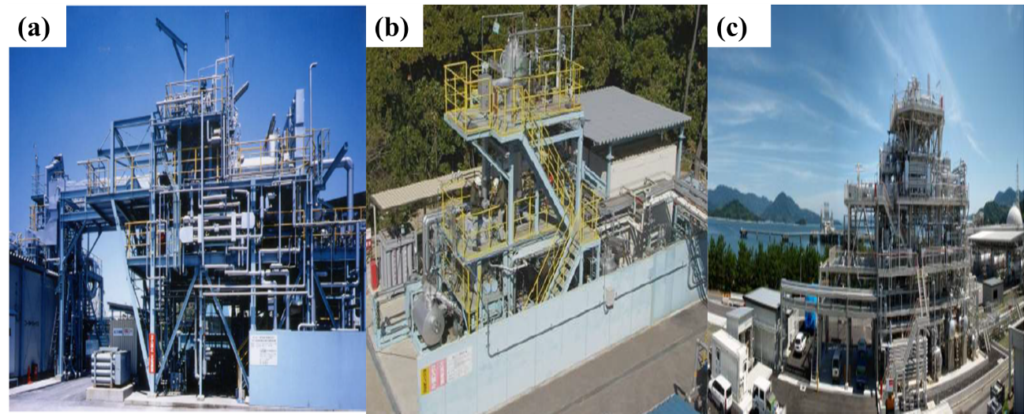
Motivation: The world is shifting toward the gas-based fuel economy from the conventional liquid-based fuel economy to envision the carbon net zero economy model. The prime advantages of this shift include low gas emission, lower economic value, and utilization of existing vehicle engines after little modification. Natural gas has been utilized in many countries after

Natural gas hydrate: Alternative and optimistic way to transport natural gas Read More »

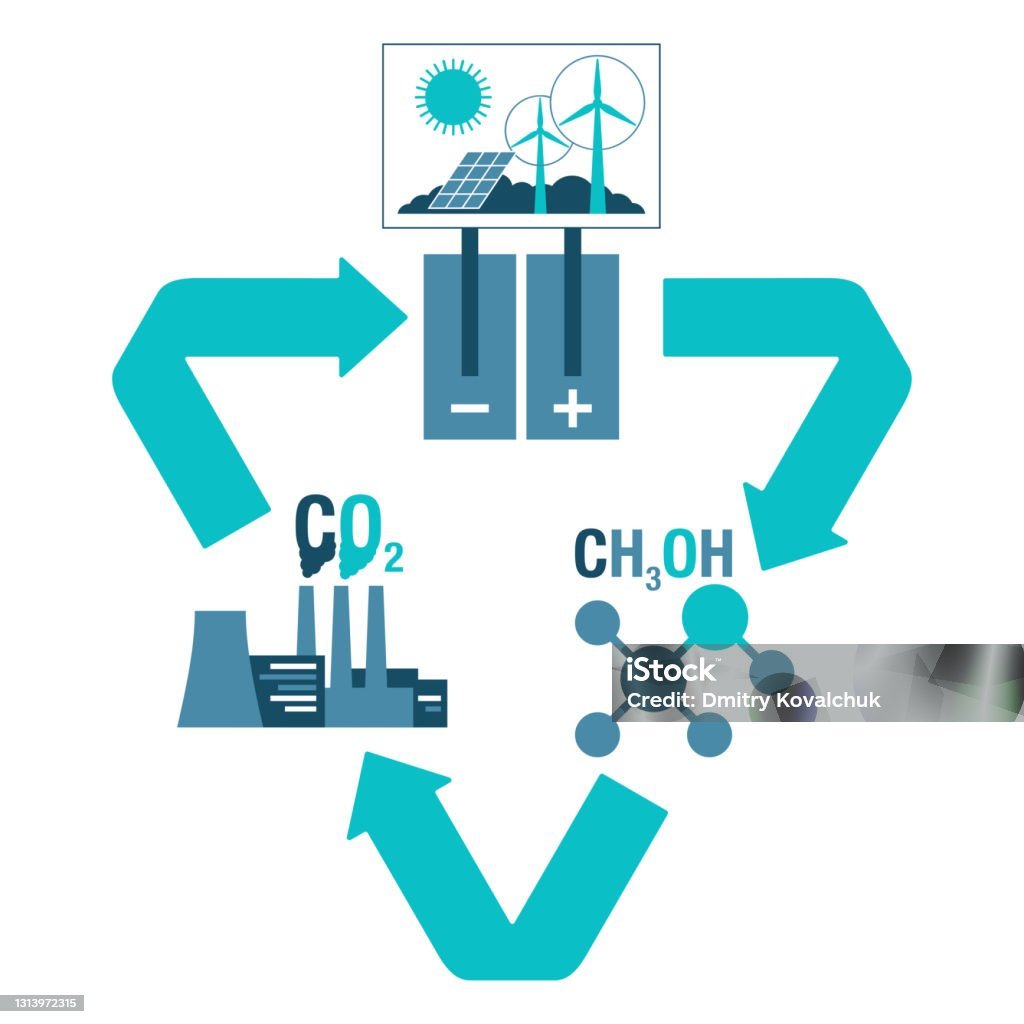
Methanol Economy- A Road that leads to the Hydrogen Economy.

Several advantages and challenges in using hydrogen as fuel were addressed in our previous article. There is no doubt in hydrogen’s ability to fill the shoes of a clean and efficient fuel that we expect. However, due to technological, sourcing, political, policy-making, and safety reasons, it might take a while before hydrogen could replace the

Methanol Economy- A Road that leads to the Hydrogen Economy. Read More »

Separation of Coal Mine Methane Gas mixture via sII and sH hydrate formation

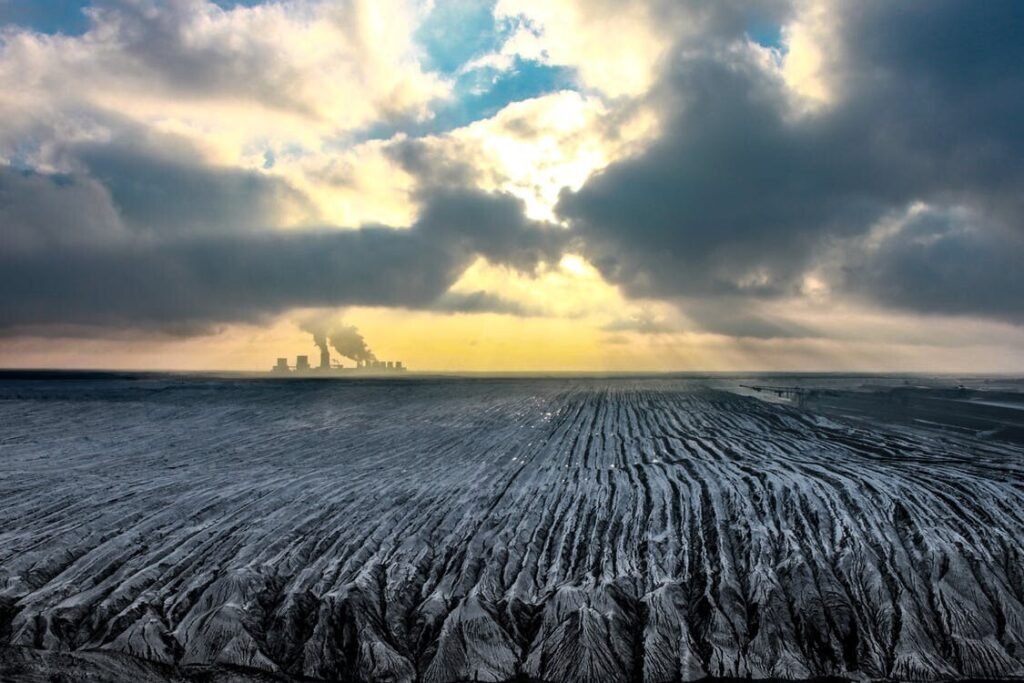
[Picture credits: Aerial view of an open-cast coal mine Belchatow, Poland. Credit: Łukasz Szczepanski / Alamy Stock Photo]   Coal mine methane (CMM) also known as coal bed methane (CBM) is an unconventional natural gas resource and a significant source of clean energy, which is produced and emitted continuously from coal mine activities either from

Separation of Coal Mine Methane Gas mixture via sII and sH hydrate formation Read More »